




Understanding and Managing General Pain
Practical tips, medicine guidance and when to seek help
Practical steps to manage everyday aches
Self-care and Support for Pain
Managing general pain often combines simple self-care with targeted medicines. Gentle movement, posture adjustments, heat or cold packs and graded exercise can reduce stiffness and improve recovery. Over-the-counter analgesics such as paracetamol or NSAIDs can help short-term, but always follow dosing instructions and consider interactions with other medicines. For persistent or worsening pain, a pharmacist can advise on suitable products and warning signs that require GP assessment. Lifestyle factors like sleep, hydration and stress also influence pain perception; addressing these can make a substantial difference to day-to-day comfort and long-term outcomes.
Stay active within limits
Use medicines as directed
Seek professional advice early
Protect sore areas

What causes everyday pain and first steps
Common Causes and First-Aid
Common causes of general pain include muscle strains, tension, arthritis flare-ups, headaches and minor injuries. For many of these, initial measures such as rest, ice or heat, gentle stretching and appropriate over‑the‑counter medicines can bring relief. Paracetamol is often used for general pain and fever, while NSAIDs like ibuprofen reduce inflammation as well as pain. Always read labels, check age and pregnancy advice, and avoid combining products with the same active ingredient. If pain is severe, persists beyond a few days, or is accompanied by unusual symptoms (fever, numbness, breathlessness), seek professional assessment promptly.

Medication Guidance
Advice on safe OTC choices and dosing
When to See a GP
Red flags and persistent symptoms needing review
Self-care Tips
Practical measures to ease pain at home
Targeted relief for sore joints and muscles
Topical Treatments and Safe Use
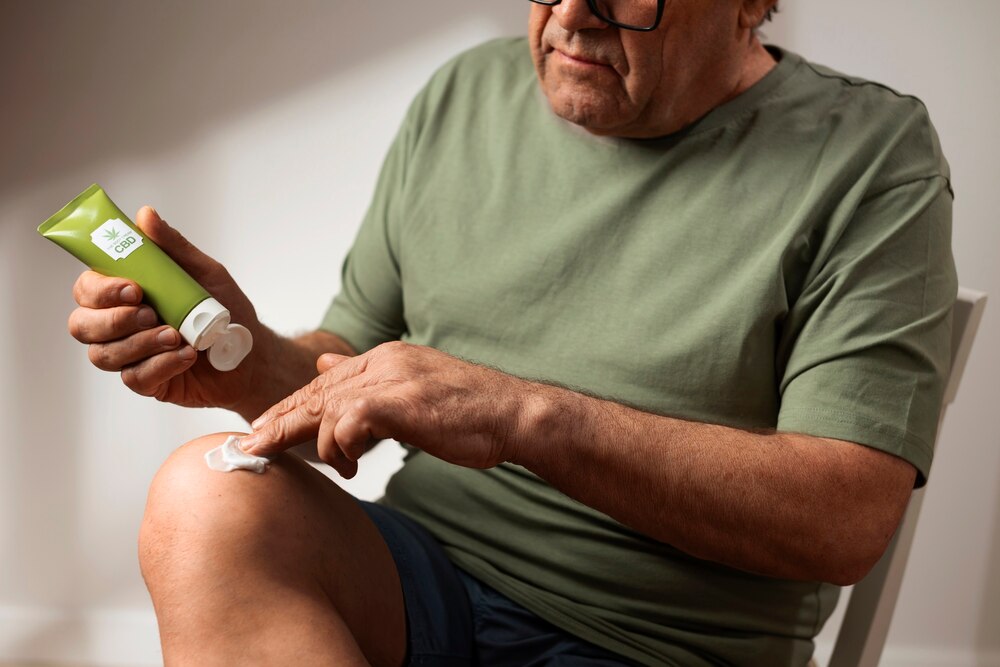
Topical treatments such as gels, creams and patches offer targeted relief for muscle and joint pain with lower systemic exposure than oral medicines. They can be a good option for localized strains or osteoarthritis. Apply as directed to intact skin and avoid contact with eyes or broken skin. Some products contain counterirritants (e.g., menthol) that provide a cooling or warming sensation; others have anti-inflammatory agents. Consider combining topical and oral strategies when appropriate, but check for contraindications and interactions, especially if you are taking blood-thinning medication or have sensitive skin.
Quick, clear advice from pharmacy staff
Need Help? Ask the Pharmacy
If you’re unsure which medicine to choose, how much to take, or if your symptoms are normal, ask your pharmacist for personalised advice. We can review your current medicines, highlight interactions and recommend non‑drug options. If your pain looks serious or doesn’t improve, we’ll advise prompt GP or emergency care.
Frequently Asked Questions
Common questions answered by pharmacy teams to keep you safe and informed.
When should I take paracetamol vs ibuprofen?
Paracetamol relieves pain and fever and is gentler on the stomach; ibuprofen is an NSAID that also reduces inflammation. Choose based on symptoms, medical history and product guidance. Don’t exceed recommended doses and avoid taking multiple products with the same active ingredient.
Are topical gels safe for everyone?
Most topical gels are safe for adults but avoid broken or irritated skin and check for allergies. Some products are not recommended during pregnancy or alongside certain oral medicines—ask a pharmacist for advice.
How long before I see improvement?
Many minor aches improve within a few days with rest and self-care. If pain persists beyond a week, worsens, or limits daily activities, seek further assessment.
Can I drink alcohol with painkillers?
Alcohol can increase risks with some medicines, especially paracetamol (liver risk) and NSAIDs (stomach bleeding). Limit or avoid alcohol while taking analgesics and follow product warnings.
When is urgent care needed?
Seek urgent care for sudden severe pain, chest pain, difficulty breathing, signs of infection, uncontrolled bleeding, or loss of function. For severe or unusual symptoms, contact emergency services.
Key Safety Points
Medication safety is central to effective pain management. Always check the active ingredients of combination products to avoid accidental double-dosing—many cold and flu remedies contain paracetamol, for example. Inform your pharmacist about chronic conditions, other prescriptions, and pregnancy or breastfeeding. Some analgesics increase bleeding risk or affect blood pressure, so adjustments may be needed. For older adults and children, dosing and product selection differ; pharmacists can provide age-appropriate guidance. If pain continues despite correct use of medicines and self-care, further clinical assessment is important to identify underlying causes and appropriate treatments.
Follow label dosing instructions
Avoid double-dosing same medicine
Check interactions with other drugs
Seek help for persistent pain